What Is Scar Revision?
In simple terms, scar revision is a treatment to reduce the appearance of scars or improve their texture, shape and position. Most patients may think it’s as a way to get rid of scars completely, which is not necessarily what happens. Scar revision aims to make scars less noticeable or improve how they sit within the surrounding skin.
Scar revision treatment may be considered for several types of scars, including:
- Surgical: Scars left after previous operations or other procedures.
- Acne: Depressions, uneven texture or other lasting changes caused by acne.
- Burn: Scarring following thermal injury.
- Hypertrophic: Raised scars that remain within the boundaries of the original wound.
- Keloid: Raised scars that extend beyond the original wound boundaries.
The most appropriate approach depends on the original injury, scar formation, skin characteristics and the patient’s goals. In other words, the treatment selected depends on the type of scar that needs treating.
How Long Does Scar Revision Recovery Take?
Minor procedures may involve relatively little downtime, while more extensive surgical scar revision can require several weeks of healing. There are multiple factors that play a part in the healing process, so nothing is set in stone when it comes to the recovery time.
A general recovery timeline may look like this:
- First few days: Mild discomfort, localised swelling, tenderness or skin irritation may occur following treatment.
- First one to two weeks: The initial healing phase.
- Two to six weeks: The treated area tends to become more comfortable and the initial signs of healing improve. The exact timeframe depends on the procedure and the scar site.
- Following several months: The new scar gradually matures. Redness, firmness, texture and visibility may continue to change.
- Around six to twelve months or longer: Some scars continue to refine during this period, although the timeline varies and not every scar becomes less noticeable to the same degree.
We want to stress that these timeframes are general guidance rather than guarantees. Laser treatments, steroid injections and surgical procedures have different recovery requirements, so your scar revision surgeon should provide advice tailored to your treatment plan.
What Affects Scar Revision Recovery Time?
There are several factors that can influence how quickly the treated area heals and how long it takes for the final results to develop.
Here’s a look at the factors that can hinder or promote healing once the plastic surgeon has finished your treatment.
The Type of Scar
It is no surprise to hear that a minor scar may require less extensive treatment than a larger, deeper or raised scar, which can impact the adjacent tissue and surrounding areas.
For example, keloid scars and hypertrophic scars can be particularly challenging because of the way scar tissue develops and responds to injury.
Another key element is the original cause of the scar. Burn scars, surgical scars, and acne scars can differ in depth, texture and the surrounding skin condition.
The Scar Revision Technique
The recovery process also depends on the treatment used and how invasive it is.
Usual scar revision techniques include:
- Laser therapy – helps with scar improvement and blending to the surrounding skin tone.
- Steroid injections – considered for raised scars.
- Fat transfer – sometimes used for depressed scars.
- Surgical scar revision – usually an option for more complex cases.
Usually, surgical scar revision involves altering the existing scar, removing selected scar tissue or repositioning the wound where appropriate. The procedure creates a new wound that must heal, so wound care and follow-up are important. Naturally, this can take a lot longer to heal from than a fat transfer, for example!
The Size and Location of the Scar
Scars in stretchy areas, especially when they are larger, are likely to take more time to heal. Basically, skin tension and movement can influence wound healing. So, in other words, a larger scar in an area where the skin moves more is going to take longer to heal.
Individual Healing Factors
There are also personalised factors that play a huge role in the speed of healing, such as:
- Age
- General health
- Circulation
- Smoking
- Certain medications
- Underlying skin diseases
Based on your medical history, your plastic surgeon should have a much better estimate of the expected recovery time.
How Can You Support Scar Healing After Treatment?
The best way to support scar healing after your treatment is with good aftercare designed to protect the treated area and support the healing process.
Helpful measures may include:
- Follow wound-care instructions: Keep the area clean and use dressings or prescribed products as directed.
- Reduce irritation: Avoid rubbing, scratching or using harsh skincare products on healing skin.
- Protect against sun exposure: Use the recommended sun protection once appropriate for the treated area.
- Avoid unnecessary tension: Follow advice on exercise, stretching and activities that could pull on the scar.
- Use silicone products when advised: Silicone sheets may help manage certain scars once the skin has healed sufficiently.
- Attend follow-up appointments: These allow the clinician to assess healing and identify any complications.
- Report unusual symptoms: Increasing pain, spreading redness, discharge, fever or wound separation should be assessed promptly.
For optimal results and to help the wound fully heal, it is vital to follow the aftercare instructions. As with any form of plastic surgery, including scar revision surgery, the scar appearance can be impacted if not taken care of properly.
Will Scar Revision Remove the Scar Completely?
Scar revision cannot guarantee complete scar removal. The aim is to reduce the appearance of scars, improve their contour or texture, or make them less noticeable.
When your plastic surgeon treats scars, the aim is to improve the overall appearance of the original scar, protect the undamaged skin, and improve aesthetics.
So, does scar revision surgery remove the scar completely?
Not always.
When Will You See the Final Results?
Initial improvements may become visible once swelling settles and the wound has healed. However, the final results often take considerably longer because complete scar maturation is a gradual process.
Once you undergo scar revision surgery, or one of the less invasive treatments, your surgeon will be the best person to ask regarding the final results and timeline.
When Might You Need Further Scar Treatment?
Some scars need more than one treatment approach. For example, a raised scar may respond to steroid injections, while an uneven or depressed scar may require a different technique.
Another great example is keloid scars, which can be particularly prone to recurrence, so careful planning and follow-ups are important. However, it is important to note that further procedures should only be considered when the skin has healed sufficiently, and the likely benefits outweigh the risks.
Book a Scar Revision Consultation at Goutos London
If visible scars are affecting your confidence, a professional assessment can help you understand which scar revision techniques may be suitable and how long your recovery is likely to take.
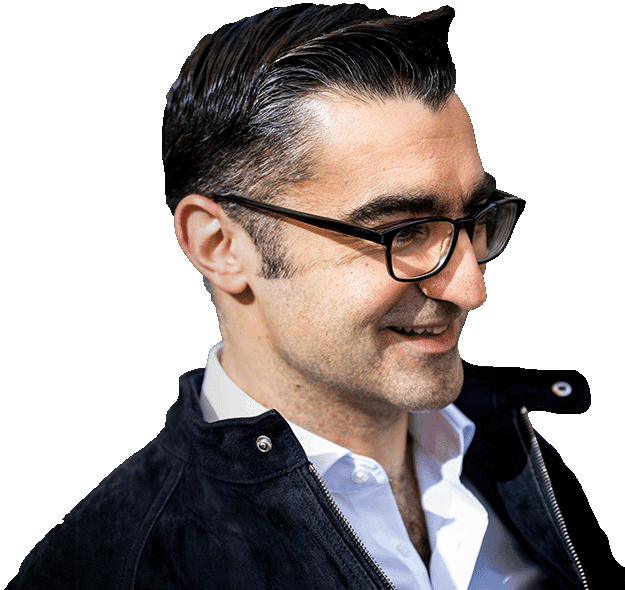
At Goutos London, under the supervision of Mr Ioannis Goutos, the consultation can focus on the type of scar, its location, your medical history and your desired outcome.
Click here, call 07908422412, or email Info@goutoslondon.com today to book your consultation and reap the rewards of the scar revision work we do at Goutos London.