Irrespective of the type of anesthesia used for a particular procedure, there may be some mild discomfort and swelling over the healing area, which for most individuals is transient and lasts for a couple of days. As with any surgical procedure, there are risks of bleeding and infection, which are minimised by the use of appropriate surgical techniques and antibiotics. Finally, there is a risk of unfavourable scarring, which may include a degree of bulk in the early phases of healing as well as scar stretch/widening. The risk of a keloid returning following a keloidectomy and radiotherapy can be as low as 5% in expert hands. Your specialist will take particular care in the pre-operative planning and guide you through the proper post-operative wound care. Adjunctive agents such as supporting paper tapes, steroid plasters and lasers are also commonly used during the scar maturation period to reduce the risk of unfavourable results.
Scars & Burns by Mr Ioannis Goutos
Keloid Scar Treatment London

At a glance
Treatment time:
30 minutes – 2 hours depending on the location and size of the scar
Results:
Long lasting effects, although may take several months of scar maturation to see the end results
Return to work:
Same or next day
Anaesthetic:
Local anaesthetic, sedation or general anaesthesia depending on the location and size of the keloid
Scar tissue formation is part of the normal process of skin healing. If the amount of collagen is excessive, this can result in scars that are hypertrophic, in other words bulky.
If the process of collagen production continues past the hypertrophic stage, keloid scars form. These can present with excessive bulk, troublesome symptoms of pain/itch as well as unsightly appearance leading to low self-esteem. There are a number of different procedures to help individuals suffering from keloids including scar revision (keloidectomy). This involves the surgical removal of the scar and closure using specialised techniques in order to reduce the risk of it coming back. This is a highly specialised area in plastic and reconstructive surgery, given that non expert surgical manipulation of scar tissue could result in a worse scar in the long run. It takes an experienced and expert surgeon to perform such procedures providing the lowest risk of recurrence of the keloid scarring. This involves the use of special planning, surgical techniques, skin closure as well as tailored post-operative wound care.
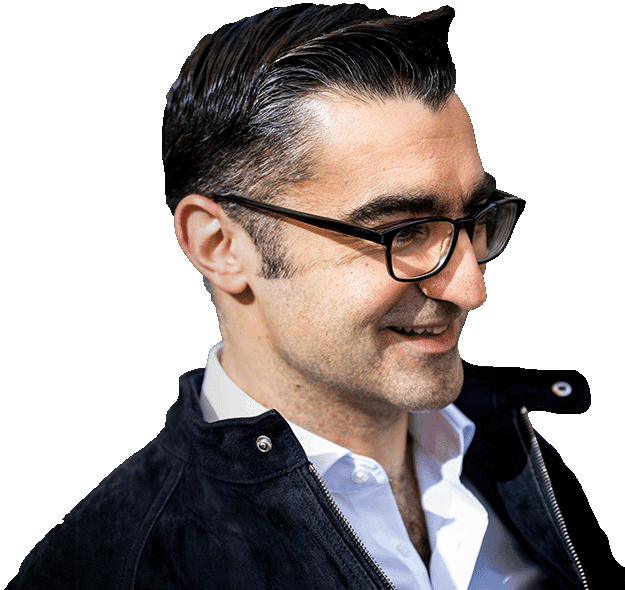
Mr Ioannis Goutos is an internationally renowned plastic surgeon and leader in the care of keloid scars. He has a wealth of experience to assess even the most challenging areas of scarring in an expert manner. He takes a holistic approach to create individual treatment plans for each patient; his unrivalled surgical skills and outstanding results have positioned him as one the leading keloid specialists globally.
Book your consultation today
Book nowAbout Keloid Scar Treatment
A keloid scar revision procedure takes meticulous pre-operative assessment and planning. The position of the incision will depend on the exact bodily location affected, as well as the size and orientation of the keloid. Complete scar removal (extralesional excision) is deemed to be superior to partial scar removal (intralesional excision), hence it represents the best approach. In a small number of cases, partial removal of the scar is the only option, in which case local anesthesia can be used. For the majority of keloid scars, sedation or a general anaesthetic is needed to ensure complete scar removal and meticulous wound closure.
After the scar is removed, the wound is closed in several layers using absorbable suture material and in such manner to reduce the tension around the closure. The top layers of the skin are brought together using special wavy line techniques to further reduce tension in the wound and minimise the risk of the keloid recurring. These techniques include ‘Z or W-plasty’ closure (breaking up the scar margins into small, interdigitated triangular components). A medical grade skin adhesive (glue) is used over the superficial sutures and the wound is covered with microporous tape and a showerproof dressing.
Keloid revisional surgery is most commonly performed in conjunction with post-operative radiotherapy, since this has been shown to be the most effective combination against the keloid scar returning. Most patients need a course of radiotherapy sessions, which varies from one for areas like the earlobe to three or more for high risk areas like the chest and recurrent scars. Once the new wound has healed, the resulting scar should be less noticeable, more comfortable and have improved function and appearance from the original keloid.

Frequently Asked Questions about Keloid Scars
We know having medical, surgical or cosmetic treatment can seem daunting and it is natural to have questions. We are here to ensure your comfort and safety at all times. If you are unable to find the answer to your questions below, then please do not hesitate to contact us so we can help.
Keloid scarring can respond to topical treatments such as steroid tape application, injections as well as a combination of lasers and steroids. These can be used in conjunction with scar revision procedures to give optimal long-term results.
It is vital to keep any surgical wound clean and dry until healed over to reduce the risk of infection. Most patients will have a combination of internal, absorbable sutures and external suture material, which needs to be removed a week following surgery. A medical grade paper tape is also used to provide more external support to the healing wound, which needs to be kept dry until the first follow up appointment with the surgical team. Once the stitches are removed, you will be advised to apply fresh strips of microporous paper tape for 8-12 weeks after which time you may be advised to use steroid tape for a period of time.
Your surgical specialist will be able to give you more tailored post-operative guidance following your procedure depending on the location and type of keloidectomy you undergo.
How much does Keloid Scar Treatment cost?
Starting from £3000
At Goutos London, we aim to deliver a premium service with no compromise on quality in order to deliver the best results possible for your needs.
Conditions Keloid Scar Treatment can treat

Hypertrophic Scars

Dark Scars

Keloid Scars
Related Treatments to Keloid Scars
Scar Steroid Injection London

Laser Treatment London

Steroid Tape for Scars London
Testimonials
Mr Goutos is delighted to share some of his patient and peer feedback on their experiences of his services.

Read more reviews



Accreditation & Memberships



Newsletter
Welcome to the Goutos London Newsletter. This newsletter features the latest news, updates and guidance that we hope you will find of interest and will help keep you up-to-date on our services. Please sign up below to receive these.